Humidity and Condensation Mold in District Heights, MD
Mold removed from windows, walls and closet surfaces in your District Heights property, with condensation sources traced before cleanup. Call 24/7 to start your assessment and removal.
- Moisture source checked first
- Containment and HEPA cleaning
- Windows and walls assessed
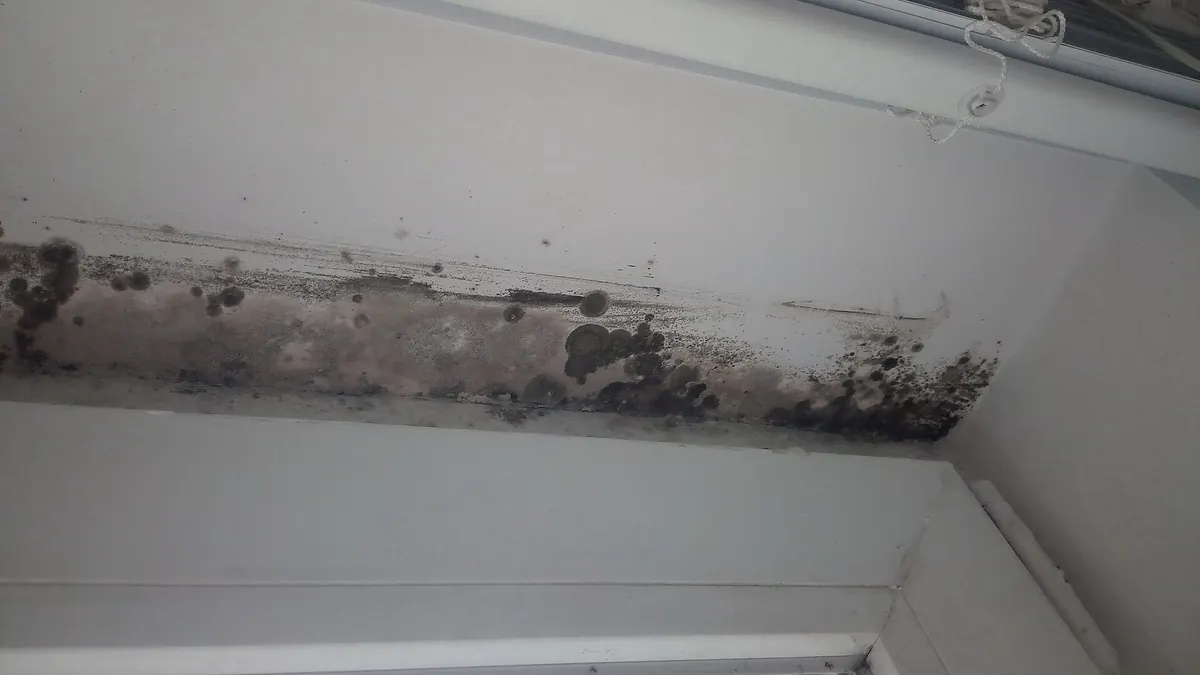
Humidity and Condensation Mold Removal Services in District Heights
Cleanup includes your damp closets, cold exterior walls, windows and nearby drywall. The affected material is either cleaned or taken out. Moisture causes are checked before replacement finishes go in.
Condensation forms when moist air meets cold surfaces at or below the dew point. Your assessment separates condensation from window leaks and air conditioner drain problems.
High humidity, poor ventilation and limited air circulation can leave corners damp. Your written scope of work defines removal, structural drying and separate window, insulation or exhaust fan repairs.
- Window sill and frame cleaning
- Cold wall and closet assessment
- Contained drywall removal
- Dehumidification and material drying
- Moisture control and final checks
Recognizing the Need for Humidity Mold Cleanup in District Heights
Wiping alone is insufficient when your finishes stay damp, condensation persists and growth returns.
Swollen Trim and Peeling Paint
Softness around your window or bubbling on the wall finish appears where moisture accumulates.
Humidity Lingers After Showers
Persistent wetness on your mirrors and walls accompanies visible mold growth around the exhaust fan or near the ceiling.
Mold on Windows Keeps Returning
Dark spots reappear around your window sills or frames after cleaning.
Damp Closet Corners
A musty smell or spots on the backing develop where your stored items sit against an exterior wall.
Condensation Mold Beside Cold Surfaces
Growth follows wet window edges, cold wall corners or cooling registers.
The Humidity Mold Removal Process in District Heights
You start with assessment, proceed to cleanup within containment, then reach final checks.
Humidity and Material Assessment
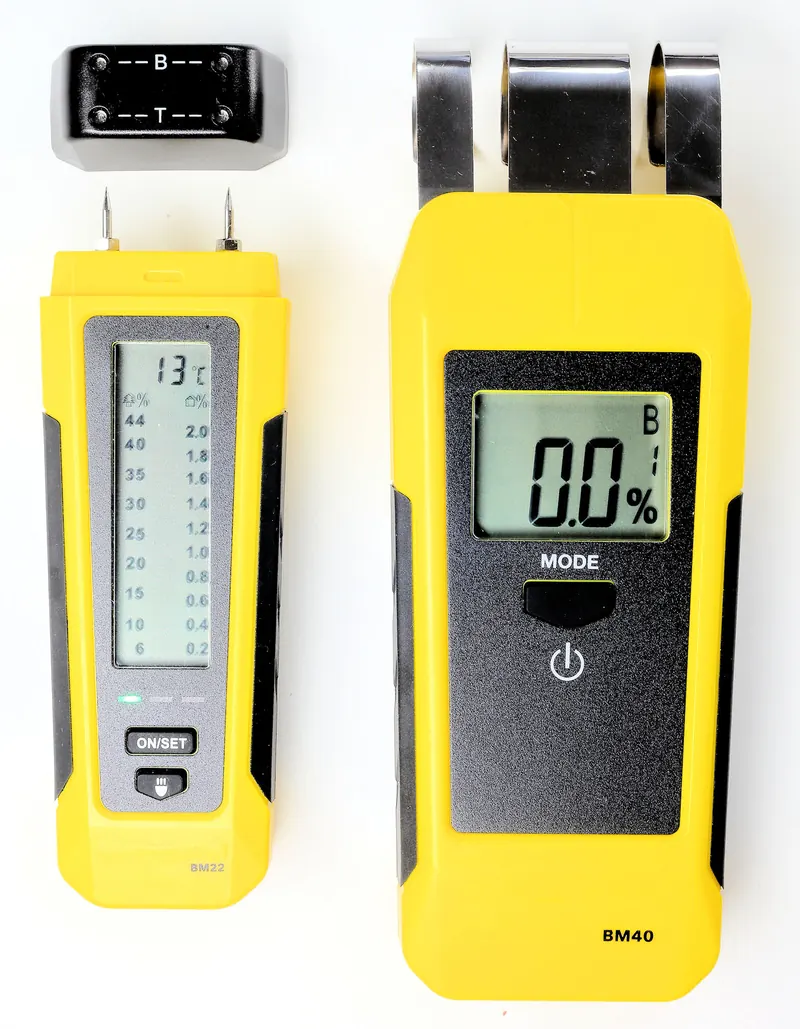
Relative humidity is measured using a hygrometer; a moisture meter helps with moisture mapping in damp materials. A thermal imaging camera can locate temperature patterns, but mold identification is beyond the camera.
Humidity Source and Work Scope
Assessment examines condensation along with leaks and ventilation. Your removal plan first defines moisture corrections and leak repair as separate work.
Containment and Filtration
When necessary, a containment barrier is built from poly sheeting. A HEPA air scrubber, protective equipment and negative air pressure help limit spreading particles.
Damaged Material Removal
Unsalvageable drywall, insulation and swollen composite trim are bagged within containment. Removing materials opens affected cavities and backing for cleaning.
Frame and Wall Cleaning
Sound framing receives appropriate cleaning alongside non-porous surfaces, using damp wiping and a HEPA vacuum. Growth still needs removal even with antimicrobial treatment.
Controlled Drying Process
To reduce dampness in cleaned materials, drying equipment suited to the task accompanies a dehumidifier. Drying progress is tracked through moisture readings during completion of the defined condensation corrections.
Verification Before Reopening
Cleaning and drying are checked before containment comes down. If clearance testing is required, post-remediation verification by an independent assessor precedes closing the area with replacement finishes.
Your Humidity and Condensation Mold Removal Choice: Washington Mold Removal Services
Calls Answered 24/7
One number gets your assessment of windows, walls or closets started in Greater Washington, nights and weekends included.
Humidity Source First
Before cleaning, your assessment investigates leaks, condensation and problems with ventilation.
Removal Through Final Checks
After damaged material is removed and sound surfaces cleaned, final checks take place before containment removal.
Clear Scope Before Work
Before work begins, your scope sets out drying, removal and moisture repairs as separate work.
Contained Humidity Cleanup
Containment and HEPA filtration are matched to the affected area and removal work.
Humidity Mold Cleanup in Prince George's County: What to Do First
Leave affected surfaces undisturbed while your assessment is arranged.
- Keep people clear. Do not let your children or pets near affected materials.
- Leave finishes in place. Never dry-brush or sand walls with mold, or open them.
- Avoid spreading particles. Do not aim fans at growth or run suspected contaminated HVAC equipment.
- Leave mold uncovered. Do not paint or caulk over growth before cleaning and drying.
- Limit fresh water damage. EPA recommends a drying window of 24 to 48 hours for water-damaged areas and items to prevent mold growth.
Humidity Mold Removal Cost for Your District Heights, MD Home
Your cost depends on access, repairs and how much area is affected. National ranges shown here apply to general remediation and separate equipment for crawl spaces. They exclude window repair and room dehumidifier prices.
Typical National Mold Remediation Range
$1,500 to $9,000 per jobSource: Fixr, Mold Remediation Cost (checked 2026-10-23)For Areas Larger Than About 10 Square Feet: Professional Mold Remediation
$10 to $30 for Each Square FootSource: Fixr, Mold Remediation Cost (checked 2026-10-23)Dehumidifier Installed During Crawl Space Encapsulation
$800 to $2,000 per installSource: This Old House, Crawl Space Encapsulation Cost (checked 2026-10-23)Factors Affecting Your Humidity Cleanup Cost
- Containment requirements
- Structural drying needs
- Separate moisture repairs
- Drywall removal and disposal
- Affected square feet
- Access behind finishes
Pricing Your Condensation Cleanup
These published national ranges are planning figures. Your on-site assessment defines the work and price before cleanup starts, including any separate source repairs or rebuilding.
Call (844) 352-3560 about costHumidity and Condensation Mold Service Area Across Greater Washington
Call (844) 352-3560 to arrange cleanup in District Heights or nearby communities. One number covers the metro.
Humidity and Condensation Mold in Locations Near District Heights
ZIP codes
What People Ask About Humidity and Condensation Mold in District Heights
Can mold from condensation return once cleanup is complete?
Mold may reappear when you leave the moisture problem unresolved. As part of cleanup, indoor humidity, cold surfaces and ventilation are assessed, with required corrections defined alongside removal. Affected materials undergo cleaning and drying ahead of being closed in by finishes. Continued humidity control helps keep those damp conditions from recurring.
Do your windows or walls have to come out?
Cleaning sound window glass, vinyl and wood within reach often avoids the need for whole-window replacement. Moldy drywall, damaged insulation or deteriorated trim may need removal. The surrounding materials and potential routes for water entry are checked in your assessment. Your scope must include window replacement for that work to count as part of cleanup rather than separate repairs.
Do you need air sampling ahead of removal or afterward?
Visible mold generally makes sampling unnecessary, according to EPA. Moisture checks together with your inspection determine the likely source and affected area. Removal is followed by checks of cleaning and drying. When clearance testing is specified, an independent assessor performs it. There is no federal limit for mold levels indoors.
Are problems with ventilation and condensation also corrected?
Planning your cleanup includes assessing the moisture source and identifying corrections that are needed. Window work, exhaust repairs or insulation changes belong to the job only if your scope lists them. Although dehumidification aids drying, existing growth on your surfaces and leak repairs require more than dehumidification.
In Prince George's County, what should you expect humidity mold cleanup cost to be?
Your cost reflects drying, material removal, affected square footage and access to areas behind finishes. Published ranges appear in the cost cards alongside units and source names. A room dehumidifier is not priced by the figure shown for crawl space equipment. Before work starts, your assessment establishes cleanup cost and identifies any separate repairs.
Is staying home possible during condensation mold removal?
You may stay if the rooms in use remain apart from both containment and the debris removal route. Your shared ventilation, household needs and room layout shape the restrictions on access. Work in essential spaces or multiple bedrooms may mean moving out for a time. These arrangements are agreed ahead of starting removal and cleaning.
How long will your District Heights humidity mold cleanup last?
Your schedule is set after the affected surfaces and moisture source are assessed. Opening wet walls or taking out insulation involves different work than cleaning reachable window frames. Readings from materials direct drying. Your return to normal room use also depends on final checks, window repairs and ventilation corrections.
Your Maryland Insurance and Humidity Mold Cleanup
The moisture source and your homeowners insurance terms decide coverage, including mold limits, exclusions and the deductible. Repeated condensation may get a different decision than water damage from a sudden, accidental event.
Humidity Mold Precautions for Greater Washington
Your containment and HEPA filtration reduce the spread of particles as affected surfaces are disturbed.
Humidity Cleanup Dust
Removing disturbed mold spores and debris requires routes kept under control.
Hidden Humidity Damage
Room air alone cannot confirm dry conditions behind drywall or within insulation.
Sensitive Occupants
CDC notes that allergy and asthma symptoms can be triggered by mold in some people.
Mold Color
CDC cautions that the color of mold cannot tell you its risk.
Cleanup scope: EPA says areas under about 10 square feet can often be homeowner-cleaned. Larger areas, HVAC systems or mold from sewage or contaminated water call for professional help.
Removal of Humidity-Damaged Materials in Prince George's County
Decisions about removing or cleaning your materials turn on condition and available access.
Glass and frames
- Accessible glass, metal and sound vinyl surfaces are cleaned and dried.
Wood and trim
- Sound wood can be cleaned; deteriorated wood and swollen composite trim need replacement assessment.
Porous materials
- Moldy drywall, insulation, ceiling tiles and affected carpet may need removal.
Humidity Cleanup Timing in Prince George's County
Your schedule reflects access needs, condensation corrections and drying.
- Access: Window surrounds or wall cavities that must be opened add work for removal and cleaning.
- Drying: Readings taken from materials determine when rebuilding can start; humidity in the room is not enough.
- Repairs: A separate trade may need to visit for window, ventilation or insulation corrections.
Humidity and Musty Odors in Prince George's County
Finding where a musty odor originates takes more than smell alone. Investigation covers damp cavities, your windows and closets.
Your cleanup addresses dampness and takes out affected material. Fragrance cannot fix moisture problems; existing mold remains even if you use a dehumidifier.
Work Requirements and Humidity Control in Maryland
Humidity Cleanup Requirements
Maryland does not have a working statewide license for mold remediators. A 2008 law created one under the Maryland Home Improvement Commission, but it was never put into operation and later expired.
EPA Humidity Targets
For indoor humidity, aim below 60 percent; EPA identifies 30 to 50 percent humidity as ideal.
Cold Surface Conditions
Meeting a room humidity target cannot confirm dry conditions at every wall or window.
State Mold Information
The Maryland Department of the Environment leads the state's mold information effort under the 2025 law, working with the Department of Health and other agencies. The law directs it to build a mold website and pamphlet and to write mold assessment and remediation standards by June 2027.
State guidance: Maryland General Assembly, SB 856 (2025) Fiscal and Policy Note, Maryland Tenant Mold Protection Act; Maryland General Assembly, Chapter 539 of 2025 (SB 856) enrolled text; Maryland General Assembly, SB 856 bill page (Approved by the Governor, Chapter 539); Maryland Workgroup on Mold Standards and Remediation report (HB 976 of 2023, submitted 2024)
Related Services and Next Steps
Start Your Humidity and Condensation Mold in District Heights
Call 24/7 to arrange your assessment. Your cleanup starts with the affected surfaces, moisture source and access to your home.